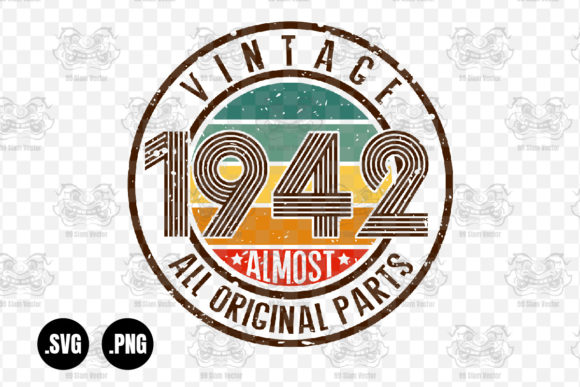
Vintage 1947 Design: A Designer’s Review
As an embroidery designer who has spent years digitizing files and critiquing assets for small business owners, I approach every new machine embroidery design with a healthy dose of skepticism. We have all seen those overly complex graphics that look stunning on a screen but turn into a tangled mess of thread breaks and puckering on fabric. When I first pulled up the Vintage 1947 Almost All Original Parts file, my initial reaction was one of cautious optimism. The concept is classic, tapping into the nostalgic humor that performs exceptionally well in the Crafts and personalized gift markets. But does it hold up under the needle?
First Impressions and Visual Personality
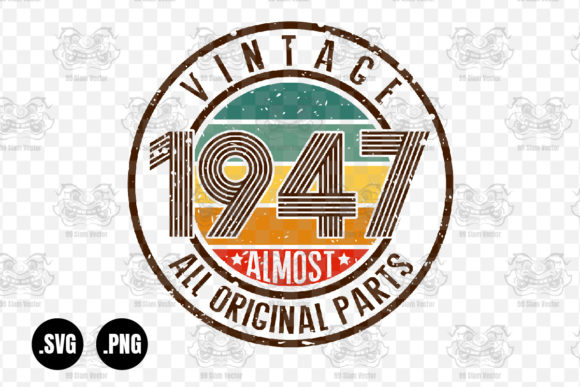
The mood of this design is immediately clear: playful, retro, and self-deprecatingly charming. The phrase "Almost All Original Parts" paired with the year 1947 creates a specific narrative perfect for 77th birthday celebrations or anniversary gifts. Visually, the layout feels balanced. It avoids the cluttered aesthetic that plagues many digital embroidery file collections, opting instead for clean lines that suggest readability even from a distance.
For those of us working in Graphics and vector art, the source files being SVG and PNG is a significant advantage. It means we can inspect the paths before conversion. The typography appears robust, which is crucial. Thin, wispy fonts are the enemy of embroidery, especially when dealing with older demographics who might appreciate this humor but struggle with tiny, indistinct stitching. This design seems to prioritize legibility, a smart move for any embroidery project intended for apparel.
Real-World Application: The Sweatshirt Test
To truly evaluate Vintage 1947 Almost All Original Parts, I imagined a real-life scenario. A client requests a custom birthday gift for their father. They want something wearable but not tacky. I chose a mid-weight cotton blend sweatshirt as the test canvas. This is a common substrate for sweatshirt embroidery because it provides enough stability to support the stitch count without excessive hooping issues.
When visualizing the design on the chest left area, the proportions felt right. It wasn’t so large that it would distort the fabric, nor so small that the details would get lost in the fleece texture. The humor lands well here; it is subtle enough for daily wear but distinct enough to spark conversation. For an Etsy seller or small shop product creator, this versatility is key. You are not just selling a design; you are selling a finished product that fits seamlessly into a customer’s wardrobe.
Performance on Different Fabrics
While the sweatshirt test was promising, I had to consider other applications. How would this perform on a structured tote bag design? Canvas is forgiving, and the bold nature of the text would stand out beautifully against a natural or dark background. However, caution is needed when moving to thinner materials. If you attempt this on a lightweight t-shirt, the stitch density becomes a critical factor. Without proper stabilization, the weight of the thread could cause the fabric to pucker around the letters, ruining the clean vintage aesthetic.
For baby embroidery or delicate items, I would advise against using this specific design unless it is significantly scaled down and simplified. The humor is tailored toward an adult audience, and the structural integrity required for the lettering might be too heavy for onesies or fine knits. Stick to sturdy fabrics like denim aprons, pillow covers, or heavy cotton tees for the best results.
Technical Considerations for Embroiderers
Before loading this into your machine, there are practical steps every professional should take. First, always check the recommended hoop size. While the description mentions it is great for vinyl and cutting, embroidery requires different spatial considerations. Ensure your hoop can accommodate the full width of the phrase without crowding the edges, which can lead to needle strikes or uneven tension.
Thread color selection is another make-or-break element. For a vintage feel, I recommend avoiding neon or overly bright modern shades. Instead, opt for muted tones, creams, or classic blacks and navys. High contrast is essential for readability, so if you are stitching on a dark garment, use a light thread, and vice versa. Always run a test on scrap fabric first. This allows you to verify the stabilizer type needed—cut-away for stretchy fabrics, tear-away for wovens—and to check for any potential thread breaks in tight corners of the lettering.
Since the product includes SVG and PNG files, you have the flexibility to create printable mockup previews for your online store. This is invaluable for commercial embroidery businesses. You can show customers exactly how the design will look on various products before they commit to buying, increasing buyer confidence and reducing return rates.
Navigating Licensing and Commercial Use
One aspect that often trips up new craft business owners is licensing. The description states the files are great for printing, cutting, and designing, but it is vital to confirm the specific terms for commercial embroidery. Can you sell finished items featuring this design? Can you use it in digital products? Always read the license agreement provided by the creator. Assuming commercial rights without verification can lead to serious legal issues for your handmade product line. If the terms are unclear, reach out to the seller directly. Protecting your business is just as important as creating beautiful work.
Final Verdict for Designers and Makers
The Vintage 1947 Almost All Original Parts design is a solid addition to any library focused on milestone birthdays and humorous apparel. It balances visual appeal with practical stitchability, provided you respect the limitations of your fabric choices. It is not a one-size-fits-all solution, but for the right project—like a sturdy tote, a cozy hoodie, or a decorative pillow—it delivers high value.
For apparel decorators and creative entrepreneurs, this asset offers a quick win. It requires minimal customization to look professional, yet it feels personal and thoughtful. By paying attention to thread contrast, stabilizer choice, and fabric weight, you can transform this digital file into a high-quality finished product that customers will cherish. Remember, the best embroidery designs are those that disappear into the garment, leaving only the message and the craftsmanship visible. This design, when handled with care, achieves exactly that.