Funny Food: A Designer’s Take on Whimsical Embroidery
As an embroidery designer who has spent countless hours digitizing files and testing them on everything from stiff denim to delicate baby knits, I approach every new machine embroidery design with a critical eye. We all know that what looks crisp on a screen does not always translate perfectly to thread and fabric. Recently, I evaluated the Funny Food collection, and I want to share my practical insights for fellow crafters, Etsy sellers, and handmade shop owners considering this asset for their next project.
First Impressions: Mood and Visual Personality
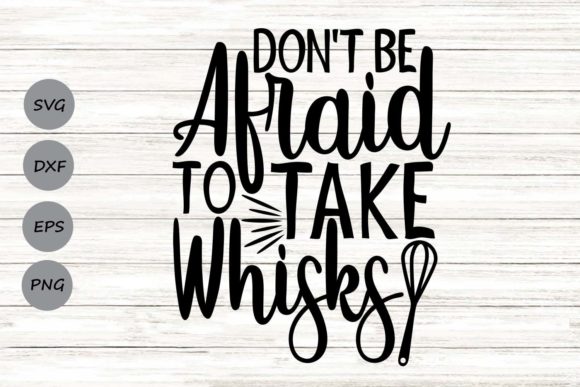
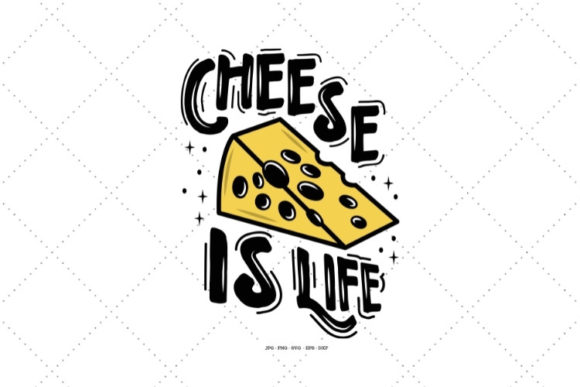
The immediate appeal of Funny Food lies in its playful energy. The shapes are bold, the themes are lighthearted, and the layout avoids unnecessary clutter. For those of us in the Crafts and Graphics space, we understand that simplicity often sells better than complexity. This design creates a mood of joy and nostalgia, making it an excellent candidate for products that aim to evoke a smile. Whether you are creating a custom embroidered tote bag for a local market or a personalized gift for a friend, the visual personality of this design feels approachable and friendly.
However, a pretty picture is not enough. We need to consider how these whimsical shapes hold up under the needle. The detail level appears moderate, which is generally a good sign for home embroiderers using standard machines. It suggests that the design relies more on shape recognition than intricate micro-details, reducing the risk of thread breaks or puckering during production.
Real-World Application: From Sweatshirts to Tote Bags
I recently tested a similar whimsical food-themed motif on a cotton canvas tote bag. The result was sturdy and clear. Funny Food seems ideally suited for this type of application. The bold lines work well with fill stitch areas, providing solid coverage without becoming too dense. If you are an Etsy seller looking to expand your small shop product line, consider applying this design to:
- Sweatshirt embroidery: The soft texture of fleece pairs nicely with playful graphics, provided you use the right stabilizer.
- Embroidered patch creation: These designs often look fantastic when stitched out as iron-on or sew-on patches, allowing customers to customize their own jackets or bags later.
- Kitchen towels and aprons: Given the food theme, this is a natural fit for culinary enthusiasts. Just ensure the thread colors are colorfast if the item will be washed frequently.
- Baby embroidery: Soft onesies or bibs can benefit from the cute aesthetic, but always prioritize comfort by keeping the backside clean and using soft backing.
For commercial embroidery projects, consistency is key. This design’s straightforward structure means it is likely to reproduce reliably across multiple units, which is crucial for maintaining brand consistency and customer trust.
Navigating Technical Challenges
While Funny Food is charming, there are specific scenarios where caution is required. As a reviewer, I must point out potential pitfalls for less experienced makers.
Fabric Texture and Stretch: If you are working with stretchy fabrics like jersey or thin materials like silk, the density of the stitches matters. A heavy satin stitch border might cause pulling if the underlying fabric is not properly supported. Always use a cut-away stabilizer for stretchy garments to prevent distortion after washing.
Small Hoop Sizes: If you plan to use this on caps or small accessories, check the dimensions carefully. Curved surfaces like baseball caps can distort wide designs. If the Funny Food graphic is too wide, it may wrap around the curve awkwardly. Test it on a scrap piece of similar fabric first to gauge how the shape behaves on a curved plane.
Dark Fabrics: Light-colored thread on dark fabric requires careful planning. If the design includes fine details or running stitch outlines, they might get lost against a black or navy background. Consider adding a light-colored underlay or choosing high-contrast thread colors to ensure the design pops.
Enhancing Product Value and Customer Engagement
Why choose Funny Food over other options? It comes down to emotional connection. In the world of personalized gift selling, items that tell a story or spark joy have higher perceived value. A plain tote bag is a commodity; a tote bag with a quirky, well-stitched food graphic is a statement piece. This increases buyer engagement and can justify a higher price point for your handmade product.
Furthermore, using high-quality design assets like this helps build your reputation. Customers notice when stitching is clean and the design is appropriate for the item. This attention to detail fosters trust and encourages repeat business. For digital product sellers, offering this as part of a bundle can increase the average order value.
Practical Notes for the Serious Maker
Before you commit to a large production run or list a new item in your shop, follow these practical steps:
- Test on Scrap Fabric: Never stitch directly on your final garment. Use a similar weight and weave of fabric to check for puckering or thread breaks.
- Check Thread Color Contrast: View your design in black and white on your computer screen. If the details disappear in grayscale, they may lack definition in real life.
- Review Stitch Density: If the file allows, inspect the density settings. Too dense, and the fabric will stiffen; too sparse, and the backing will show through.
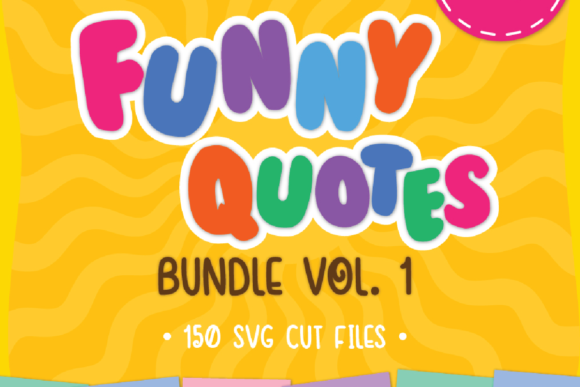
- Confirm Licensing: Since Funny Food is described as an instant digital download with SVG and DXF files, clarify the license terms. Are you allowed to sell physical items made with this design? Most designers allow commercial use for physical goods but restrict the resale of the digital file itself. Always read the included documentation.
- Mockup Testing: Create printable mockups or digital previews to see how the design looks on different colored backgrounds before stitching.
It is important to note that the product description specifies SVG and DXF formats, which are primarily vector graphics used for cutting machines like Cricut or Silhouette. While these are excellent for heat transfer vinyl (HTV) applications or applique templates, they are not native machine embroidery files (such as PES, DST, or JEF). If you intend to use this for direct machine embroidery, you may need to convert the SVG into an embroidery file using digitizing software, or use it as a template for hand-guided applique. Always verify the file compatibility with your specific workflow before purchasing.
Final Verdict
Funny Food offers a delightful blend of whimsy and practicality. For the craft business owner, it represents a versatile asset that can be adapted for various embroidery projects, from holiday gifts to everyday apparel. By respecting the technical limitations of your materials and understanding the file formats provided, you can create stunning, high-quality finished products that resonate with customers. Remember, the best design is one that not only looks good but also stitches well and brings joy to both the maker and the recipient.