Guess What - Funny Chicken: A Designer Review
As a designer who spends countless hours translating digital files into tangible thread and fabric, I approach every new asset with a critical eye. When Guess What - Funny Chicken landed in my queue of potential design assets, I wasn't just looking for a cute graphic; I was evaluating its viability for real-world embroidery projects. In the world of custom apparel and handmade goods, the gap between a pretty image on a screen and a successful stitch-out can be wide. This review breaks down how this specific character holds up under the pressure of actual production.
The First Impression: Personality Meets Practicality
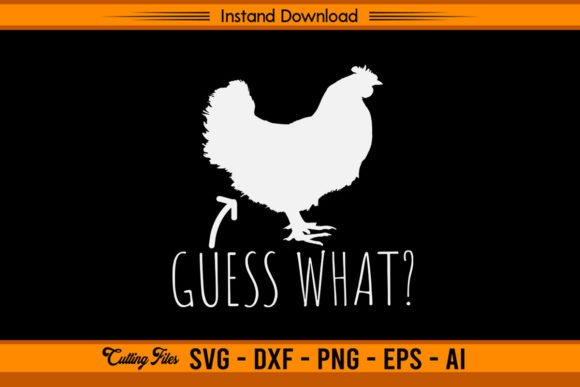
At first glance, Guess What - Funny Chicken exudes a playful energy that is hard to ignore. The visual personality is distinct, leaning heavily into humor rather than traditional pastoral charm. For an Etsy seller or boutique owner looking to add a touch of whimsy to their catalog, this type of character-driven Graphics file is a goldmine. However, the initial excitement must always be tempered by technical scrutiny. Does the layout translate well from a vector file to a dense satin stitch or fill stitch pattern?
The shape of the chicken is bold, which is promising. In machine embroidery design, overly complex silhouettes often lead to registration issues or tangled threads. Here, the lines appear clean enough to suggest a manageable digitization process. If you are planning to use this as an applique design, the clear outlines will make cutting the fabric layers much easier. The mood it creates is lighthearted and engaging, perfect for items that need to spark a smile immediately upon viewing.
Testing the Waters: A Real-World Scenario
To truly understand the value of Guess What - Funny Chicken, let's imagine a specific project: a limited-run collection of embroidered tote bags for a local craft fair. Tote bags are a staple for small shop products because they offer a large canvas and high utility. Imagine placing this funny chicken design on a sturdy, natural cotton canvas. The contrast between the earthy tone of the bag and vibrant thread colors would likely pop, making the finished product stand out on a crowded table.
In this scenario, the design serves as the focal point. Customers browsing your booth aren't just buying a bag; they are buying the joke, the character, and the uniqueness of the item. If the stitching is crisp and the details are preserved, this becomes a high-value personalized gift. Conversely, if the design is too dense or the details get lost in the weave of the fabric, the humor falls flat. My advice? Before committing to a full run, create a printable mockup to visualize the scale. Then, test the design on scrap fabric to see how the stitch density handles the curves of the chicken's beak and feet.
Performance Across Different Embroidery Projects
Versatility is key for any commercial embroidery asset. Guess What - Funny Chicken shows promise across several categories, but success depends on execution. For custom apparel like sweatshirts, the design works well on the chest or back pocket area. The bulk of a sweatshirt allows for a slightly larger hoop size, giving the design room to breathe without feeling cramped. Similarly, baby embroidery projects could benefit from this cheerful character, perhaps on a onesie or a nursery pillow cover, provided the thread count isn't so high that it makes the fabric stiff for delicate skin.
For those creating embroidered patches, the bold nature of the design is advantageous. Patches require strong outlines and solid fill areas to withstand the weeding process and subsequent ironing or sewing onto garments. This design seems robust enough to handle that transformation. However, if you are considering holiday embroidery or seasonal gifts, keep in mind that while the chicken is funny, it might not fit a formal aesthetic. It is best suited for casual wear, kitchen towels, aprons, or fun holiday gifts for friends and family who appreciate a bit of farmyard humor.
Navigating Challenges: Where Caution is Needed
No design is universally perfect, and there are specific situations where Guess What - Funny Chicken requires careful handling. Small hoop sizes are a primary concern. If you attempt to shrink this design significantly to fit on a cap or a sock, you risk losing the defining features that make the chicken "funny." Tiny lettering or intricate details in the original graphics may turn into muddy blobs when stitched at a reduced scale. Always check the minimum recommended size before scaling down.
Fabric texture also plays a crucial role. On textured fabrics like denim or heavy wool, the running stitch or fill stitch might struggle to define the edges clearly. You may need to adjust the stabilizer choice to ensure the fabric lies flat during stitching. Stretchy fabrics present another challenge; the tension required to hold the hoop taut can distort the design if the wrong backing is used. Dark fabrics require careful selection of thread colors to ensure visibility, and layered garments might cause the needle to hit uneven surfaces, leading to skipped stitches.
Impact on Brand and Customer Trust
For a creative entrepreneur, the quality of your embroidery directly impacts your brand consistency. A poorly executed design can damage customer trust, whereas a professional finish enhances perceived value. Guess What - Funny Chicken, when done right, adds a layer of professionalism and creativity to your portfolio. It shows that you curate unique design assets rather than relying on generic clip art.
Buyer engagement often hinges on the visual appeal of the finished product. High-quality stitching with good color contrast makes the design look premium. If you are selling digital embroidery files, ensuring that your customers receive a file that produces a clean result is vital for your reputation. Test the design in black and white mockups first to check the contrast, then move to color testing. Confirm licensing terms before selling finished items or reselling the digital file itself, as this protects your business from legal complications.
Practical Notes for the Embroidery Designer
Before you start your next project with this design, follow these essential steps:
- Test on Scrap Fabric: Never skip this step. Run a test on the same material you plan to use for the final product to check stitch density and thread flow.
- Check Thread Colors: Ensure the chosen thread colors provide enough contrast against the background fabric. Subtle shades might disappear on busy patterns.
- Review Hoop Size: Verify that the design fits comfortably within your hoop without stretching the fabric excessively.
- Inspect Small Details: Zoom in on the eyes, beak, and text to ensure they won't merge together during stitching.
- Use Proper Stabilizer: Select a stabilizer appropriate for the fabric weight to prevent puckering and maintain design integrity.
- Verify Licensing: Confirm whether the license allows for commercial use on finished goods or if it is restricted to personal projects.
In conclusion, Guess What - Funny Chicken is a delightful addition to any designer's library of Crafts and Graphics. It offers a fun, engaging theme that resonates well with modern consumers looking for personality in their purchases. By approaching it with a practical mindset, testing thoroughly, and respecting the limitations of different materials, you can turn this digital file into a standout handmade product that delights customers and boosts your craft business.