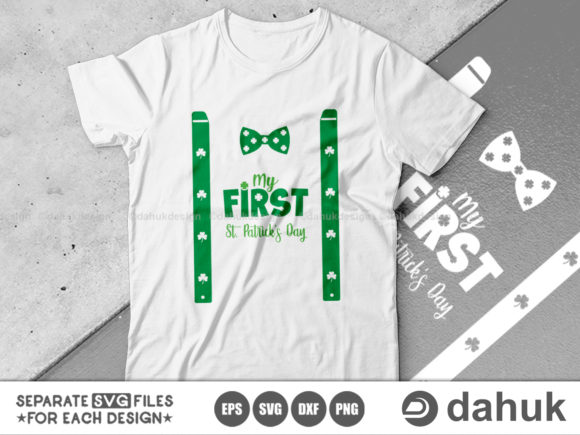
Review: My First St. Patrick’s Day SVG for Embroidery
As a designer who has spent years translating digital vectors into stitched reality, I approach every new embroidery file with a mix of curiosity and caution. The market is flooded with holiday graphics, but few are optimized for the specific constraints of thread and fabric. When I pulled up My First St. Patrick s Day Svg, my immediate goal was not just to admire the aesthetic, but to determine if it could withstand the rigors of a real embroidery project. This review breaks down how this design performs from a practical, professional standpoint, focusing on its viability for craft businesses and handmade products.
First Impressions and Design Personality
The visual personality of this design leans heavily into the playful, whimsical side of holiday decor. By combining the classic shamrock motif with a unicorn element, it targets a specific demographic: parents looking for cute baby embroidery or boutique owners creating unique children’s apparel. The layout feels balanced, avoiding the clutter that often plagues multi-element SVGs. For an experienced eye, the clean lines suggest that the original vector artwork was created with scalability in mind, which is crucial when converting these design assets into stitch files.
The mood is lighthearted and festive without being overly complex. This simplicity is a strength. In the world of Crafts and Graphics, overly detailed designs often fail when scaled down. This particular SVG maintains its character even when viewed at smaller sizes, making it a versatile candidate for various applications beyond just large hoop projects.
Real-World Application: The Tote Bag Test
To truly evaluate a design, you must imagine it on a physical product. I visualized using this design on a natural canvas tote bag, a popular item for spring markets. The contrast between the vibrant greens of the shamrock and the neutral fabric would be striking. However, the success of this tote bag design hinges on execution. Because the design includes both organic shapes (the shamrock) and potentially finer details (the unicorn features), stitch selection becomes critical.
If I were digitizing this myself or purchasing a converted file, I would prioritize a satin stitch for the outlines to ensure crisp edges. A fill stitch might be too dense for a lightweight canvas, causing puckering. For a small shop product, presentation is everything. A clean, well-stitched logo or graphic builds customer trust. If the threads bunch up or the small details get lost, the perceived value of the handmade product drops significantly. This design’s open structure allows for breathing room between elements, reducing the risk of thread breaks and fabric distortion.
Sweatshirts and Custom Apparel
Moving to apparel, consider a heather grey sweatshirt. This is a staple for any Etsy seller during the spring season. The My First St. Patrick s Day Svg works well here because it is not overly aggressive in its color palette. It allows for creative thread choices. You could stick to traditional greens and golds, or experiment with pastel unicorns for a softer look. The key is ensuring the design size matches the garment. Placing it on the left chest creates a subtle, professional look, while a larger center placement makes a bold statement suitable for children’s wear.
When working with stretchy fabrics like jersey knits, the stability of the design is paramount. A design with too much density will pull the fabric. Since this SVG appears to have moderate complexity, it should perform well provided the right stabilizer is used. Always test on scrap fabric first to gauge how the thread colors interact with the fabric texture.
Navigating Technical Constraints
While the design is appealing, there are areas where caution is necessary. Any designer knows that SVGs are vector graphics, not stitch files. The product description notes that you receive SVG, EPS, and DXF files. This means you must either digitize the design yourself or use auto-digitizing software, which rarely produces optimal results for professional commercial embroidery.
- Small Hoop Sizes: If you are stitching on a 4x4 hoop, ensure the unicorn’s horn and facial features do not become indistinguishable blobs of thread. Simplify if necessary.
- Textured Fabrics: On towels or fleece, fine details can get lost. Consider using an applique technique where the shape is cut from fabric and stitched down, rather than relying solely on thread coverage.
- Dark Fabric: If stitching on navy or black, you may need an underlay stitch or a white base layer to make the colors pop. Check your design in a black-and-white mockup to verify contrast.
It is also vital to check the license terms. Just because you have the SVG does not automatically grant commercial rights for the finished stitched product, although most designers intend for these to be used in craft business contexts. Always confirm whether the license covers physical goods versus digital resale.
Enhancing Product Value and Brand Consistency
For boutique branding, consistency is key. If your shop specializes in whimsical, high-quality items, this design fits the narrative. It enhances the giftability of the item. A personalized onesie with this design is not just clothing; it is a keepsake. Customers engage more with products that tell a story or evoke emotion. The "first" theme taps into the sentimental value of milestones, driving higher buyer engagement.
However, professionalism dictates that the final output must be flawless. Use proper stabilizer—cut-away for stretchy fabrics, tear-away for stable wovens. Inspect small details after the test stitch. Are the corners sharp? Is the stitch density appropriate? These minor adjustments separate amateur efforts from premium custom apparel.
Practical Designer Notes
- Test Before Production: Never run a full batch without a test stitch on the actual fabric you plan to use.
- Check Thread Contrast: Ensure the green of the shamrock stands out against the background. Adjust thread shades if needed.
- Verify File Compatibility: Since you receive SVG/EPS/DXF, ensure your digitizing software can import these formats cleanly without losing anchor points.
- Consider Washability: For baby items, ensure stitches are secure and do not irritate sensitive skin. Trim all jump stitches carefully.
In conclusion, My First St. Patrick s Day Svg offers a solid foundation for creative entrepreneurs. It is not just a graphic; it is a potential bestseller if handled with technical precision. By respecting the limitations of embroidery machinery and understanding the nuances of fabric interaction, you can transform this digital asset into a tangible, high-value product. Whether for a personalized gift or a small shop product, the potential is there, provided you approach it with the eye of a seasoned designer.