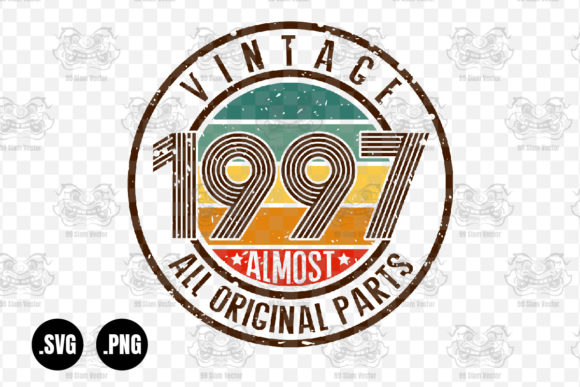
Vintage 1996 Almost All Original Parts Review
As a designer who has spent years turning digital concepts into tangible finished products, I approach every new asset with a critical eye. The market is flooded with generic graphics, but finding a piece that truly resonates with a specific demographic while remaining technically sound for production is rare. Today, I am evaluating the Vintage 1996 Almost All Original Parts design. This isn't just another vintage 1996 birthday svg file; it represents a specific cultural moment that appeals to nostalgia and humor. My goal here is to determine if this machine embroidery design holds up under the scrutiny of real-world application, from the initial digitization check to the final stitch on a customer's favorite sweatshirt.
First Impressions: Mood and Visual Personality
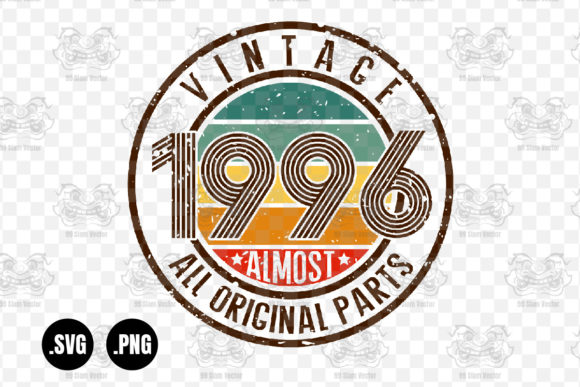
When I first opened the Graphics file for Vintage 1996 Almost All Original Parts, the immediate reaction was one of playful recognition. The phrase "Almost All Original Parts" is a classic trope for anyone born in the mid-90s or celebrating a milestone anniversary from that era. Visually, the layout feels balanced, avoiding the cluttered aesthetic that plagues many retro designs. For an embroidery project, simplicity often wins because it translates better to thread than complex vector lines do. The typography appears bold enough to maintain legibility even when converted into a fill stitch pattern, which is crucial for readability on textured fabrics.
The mood is undeniably lighthearted and self-deprecating, making it perfect for a personalized gift. It strikes a chord with the target audience without feeling forced. However, as a reviewer, I immediately start thinking about how this visual personality will translate into physical thread. Will the curves hold their shape? Will the text remain crisp? These are the questions that separate a good digital product seller from a professional decorator.
Real-Life Application: From File to Fabric
To test the practicality of Vintage 1996 Almost All Original Parts, I imagined a scenario involving a custom embroidered tote bag for a boutique client. Tote bags are popular in the Crafts category because they offer a large, relatively flat canvas. In this context, the design works exceptionally well. The bold lettering would stand out against a natural cotton canvas, especially if paired with high-contrast thread colors like navy blue or deep red.
However, the true test lies in more complex applications. Consider using this design for sweatshirt embroidery. Fleece and French terry have a distinct pile that can sometimes swallow fine details. If the stitch density in the embroidery file is too low, the text might look sparse. Conversely, if it is too dense, the fabric could pucker. Based on the visual weight of the design, I would anticipate needing a medium-density fill to ensure the letters pop without distorting the garment. This makes it a viable option for custom apparel aimed at adults celebrating a 30th birthday or simply embracing the 90s aesthetic.
I also see potential for an embroidered patch. Patches allow for creative freedom with backing and stabilizers. Creating a set of patches featuring Vintage 1996 Almost All Original Parts could be a fantastic addition to a small shop product line. Customers love attaching these to denim jackets, backpacks, or hats. The durability of a patch means the design can withstand frequent washing, a key factor for commercial embroidery items intended for daily wear.
Navigating Technical Challenges and Limitations
While the design is promising, there are specific areas where caution is required. One major concern is the use of this design on curved surfaces like caps. The phrase is long, and wrapping it around a structured cap brim or crown can distort the text. Unless the hoop size allows for significant manipulation or the design is broken into smaller segments, the result might look stretched or uneven. For caps, I would recommend testing the layout extensively before committing to a full production run.
Another consideration is the fabric texture. On very thin or stretchy fabrics, such as jersey knit used for baby embroidery or fitted tees, the weight of the stitching could cause issues. The design might pull the fabric, leading to warping. In these cases, using a heavy-duty stabilizer is non-negotiable. Additionally, dark fabrics require careful planning. If the design relies on white thread for the text, ensuring adequate coverage without excessive stitching time is vital to prevent puckering.
Detail level is another factor. While the main text looks robust, any decorative elements included in the SVG and png file version need to be scrutinized. Tiny corners or intricate flourishes often get lost in translation during digitization. If the original graphic includes fine lines, they may need to be simplified to work effectively as a running stitch or satin border. Always inspect small details on a scrap piece of fabric first to ensure the machine embroidery design captures the essence of the original art.
Enhancing Product Value and Customer Trust
Using a well-executed design like Vintage 1996 Almost All Original Parts significantly impacts the perceived value of your handmade product. Customers today appreciate quality and attention to detail. A clean, professional-looking embroidery job signals that you care about the end result. This builds customer trust and encourages repeat business, which is essential for any Etsy seller or craft business.
Furthermore, the nostalgic appeal of the design adds a layer of emotional connection. When a customer receives a holiday gift or a personalized item that resonates with their personal history, the perceived value skyrockets. It transforms a simple garment into a keepsake. For boutique branding, offering unique, themed designs helps differentiate your store from mass-market competitors. It shows creativity and an understanding of current trends, which drives buyer engagement.
Practical Designer Notes for Success
Before integrating Vintage 1996 Almost All Original Parts into your workflow, follow these practical steps:
- Test on Scrap Fabric: Never skip the test run. Stitch the design on a similar fabric to your final product to check for puckering, tension issues, or skipped stitches.
- Check Thread Contrast: Ensure the chosen thread colors provide enough contrast against the background fabric. Test both light and dark backgrounds to see how the design adapts.
- Review Stitch Density: Examine the embroidery file settings. Adjust the density if the design looks too loose or too heavy on the test swatch.
- Confirm Hoop Size: Verify that the design fits comfortably within your available hoop size without cutting off any parts of the text or graphics.
- Inspect Small Details: Zoom in on the preview to ensure no tiny elements will be lost during stitching. Simplify if necessary.
- Use Proper Stabilizer: Select a stabilizer appropriate for the fabric type. Tear-away for stable fabrics, cut-away for stretchy ones.
- Verify Licensing: Before selling finished items or digital files, confirm the licensing terms. Ensure you have the right to use the design for commercial embroidery projects.
In conclusion, Vintage 1996 Almost All Original Parts is a strong contender for designers looking to tap into the retro market. With its humorous appeal and adaptable layout, it offers great potential for custom apparel, tote bag designs, and patches. By paying attention to technical details and testing thoroughly, you can create high-quality finished products that delight customers and elevate your brand. Whether you are a hobbyist or a seasoned creative entrepreneur, this design asset deserves a spot in your collection, provided you handle it with the care and expertise it demands.