Vintage 1950 Almost All Original Parts Review
As a designer who spends most of my day staring at hoops and thread charts, I approach every new Vintage 1950 Almost All Original Parts graphic with a specific set of questions. Does the line weight hold up when converted to a satin stitch? Will the humor translate from a screen to a fabric surface? And most importantly, will this design make a customer smile enough to justify the price tag on a finished product? When I first opened the files for this project, the immediate vibe was nostalgic charm mixed with a dry, self-deprecating wit that feels perfectly timed for today's market.
The First Impression: Nostalgia Meets Practicality
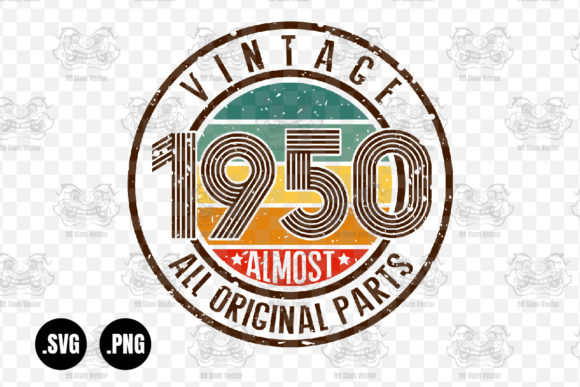
The visual personality of Vintage 1950 Almost All Original Parts is distinct. It leans heavily into the retro aesthetic without feeling cluttered. In the world of Graphics, simplicity often wins, especially when you are planning an embroidery run. The layout suggests a clean flow, which is crucial when you are converting a digital image into a machine embroidery design. There is a certain warmth to the typography and the phrasing that immediately makes me think of cozy sweaters or well-worn denim jackets. It isn't just a quote; it is a statement piece that invites conversation.
When evaluating this for a real project, I find myself thinking about how the text interacts with potential imagery. If there are accompanying vintage elements in the file, they need to be robust enough to handle the conversion process. A common pitfall with funny quotes is that the lettering can become too thin, leading to gaps in the stitching or threads pulling through the fabric. However, the structure here appears solid, suggesting it could work beautifully as a standalone text design or paired with simple geometric accents.
Real-World Application: From Tote Bags to Sweatshirts
Let's talk about a specific scenario. Imagine I am preparing a batch of custom apparel for a boutique client looking for birthday gifts. They want something unique for the "cool aunt" demographic. I decide to test Vintage 1950 Almost All Original Parts on a heavyweight cotton sweatshirt. This is a classic use case where the texture of the fabric adds depth to the design. Because the phrase is humorous and relatable, it transforms a basic garment into a personalized gift that feels thoughtful rather than generic.
In this context, the design functions as a focal point. On a tote bag design, the placement would likely be centered on the front panel. The durability of the message matters here; tote bags get tossed around, washed, and used daily. The clarity of the text ensures that even after several washes, the sentiment remains legible. Similarly, if we were creating an embroidered patch, the bold nature of the quote would stand out against a felt backing, making it a versatile accessory for backpacks or jeans.
I also see strong potential for holiday embroidery projects. While the phrase is specific to a birth year, the sentiment of aging gracefully is universal during milestone birthdays. For a small shop owner, offering this as a limited-run item for people turning 73 (or celebrating a 1950 theme) creates a sense of urgency and exclusivity. The design assets provided allow for flexibility in colorways, meaning you aren't locked into one look. You could use earth tones for a rustic feel or bright primary colors for a pop-art twist.
Navigating Technical Challenges and Fabric Choices
While the design looks promising, a professional review requires us to look at the potential pitfalls. Not every fabric plays nice with every design. If you attempt to stitch Vintage 1950 Almost All Original Parts on a thin, stretchy fabric like jersey knit without the proper support, the result could be puckering or distortion. The density of the letters might pull the fabric down, ruining the drape of the garment. In these cases, using a high-quality stabilizer is non-negotiable. You must test the design on scrap fabric first to ensure the tension settings on your machine are dialed in correctly.
Another consideration is the hoop size. Depending on the font size and any decorative elements included in the file, you may need a larger hoop than you initially planned. If you are working with a cap or a curved surface, the curvature can distort the straight lines of the text. Always check the dimensions before committing to a project. If the text is too dense, it might require a fill stitch rather than a satin stitch to prevent thread breakage and ensure coverage.
Dark fabrics present their own challenges. If you are embroidering this on a black hoodie, the contrast of the thread becomes critical. Lighter thread colors will make the text pop, but you will need a cutaway stabilizer to prevent the dark fabric from showing through the stitches. Conversely, on a light-colored baby embroidery item or a nursery pillow cover, the design needs to maintain its readability without overwhelming the soft aesthetic. The mood of the design should match the recipient; while funny, it should still feel appropriate for the context.
Maximizing Value for Craft Business Owners
For the Etsy seller or the creative entrepreneur running a craft business, the value of Vintage 1950 Almost All Original Parts lies in its versatility. It is not just a single-use file; it is a tool for brand building. Consistency in your product line helps customers recognize your work. Using this design across different mediums—perhaps a kitchen towel for home decor and a sweatshirt embroidery for apparel—creates a cohesive collection. This consistency builds trust and encourages repeat purchases.
However, always remember to confirm licensing before selling finished items. Just because you have the SVG and PNG files does not automatically grant commercial rights for physical products. Ensure your license allows for commercial embroidery and the sale of handmade goods. This protects your business and respects the original creator's work. Additionally, consider how the design looks in a printable mockup. Before you stitch a single thread, visualize the final product on a model or a flat lay. Does the scale look right? Is the spacing between letters even?
Final Designer Notes and Recommendations
To get the best results with Vintage 1950 Almost All Original Parts, take the time to review the stitch density. High-density areas can sometimes trap lint or cause thread jams. If you notice this in your test run, adjust the underlay or reduce the density slightly. Also, pay attention to the thread colors. A monochromatic look can be chic, but a two-tone approach might highlight the "Vintage" aspect of the design better.
This design fits naturally into the Crafts category, appealing to hobbyists and professionals alike. Whether you are making a personalized gift for a family member or stocking inventory for your online store, the key is execution. Test, tweak, and then produce. The combination of humor and nostalgia makes this a winner, provided you respect the technical requirements of embroidery. By treating the file with care and understanding how it interacts with different materials, you can create a finished product that stands out in a crowded market.
Ultimately, Vintage 1950 Almost All Original Parts is more than just a graphic; it is a conversation starter. When stitched correctly, it adds character and value to any project. As designers, our job is to bridge the gap between a digital idea and a tangible reality. With careful planning and attention to detail, this design can become a staple in your portfolio, bringing joy to customers who appreciate a good laugh and a touch of history.