Vintage 1956 Almost All Original Parts Review
As a designer who spends more time staring at stitch-out previews than actual sunlight, I have developed a keen eye for what works on the needle and what falls apart in the hoop. When I first encountered the Vintage 1956 Almost All Original Parts graphic, it immediately stood out against the sea of generic birthday designs cluttering my download folder. This isn't just another number; it is a statement piece rooted in nostalgia and humor that feels tailor-made for the current wave of retro-inspired custom apparel. The phrase itself carries a specific weight—it speaks to durability, character, and a touch of self-deprecating charm that resonates deeply with the demographic celebrating a significant milestone.
The Visual Personality of a Retro Design
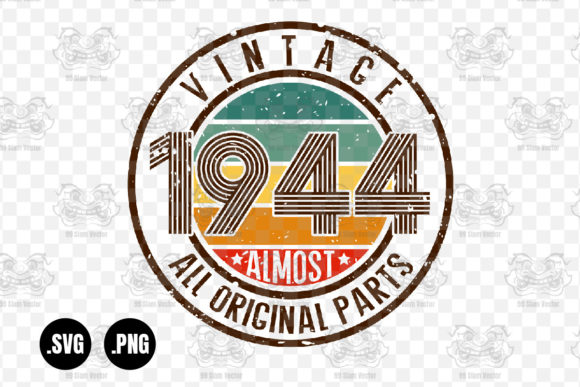
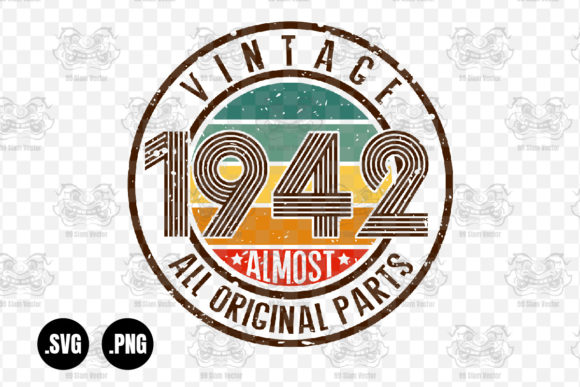
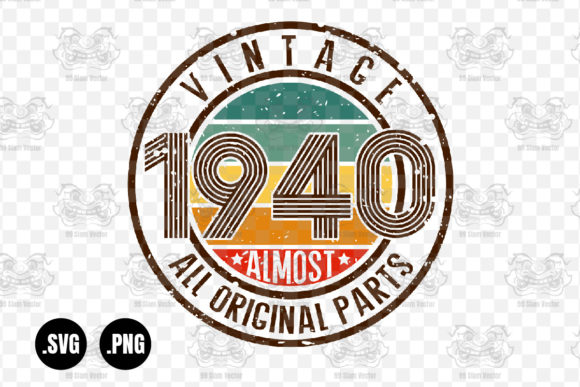
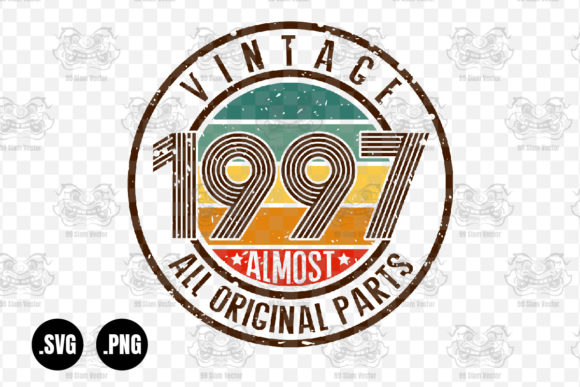
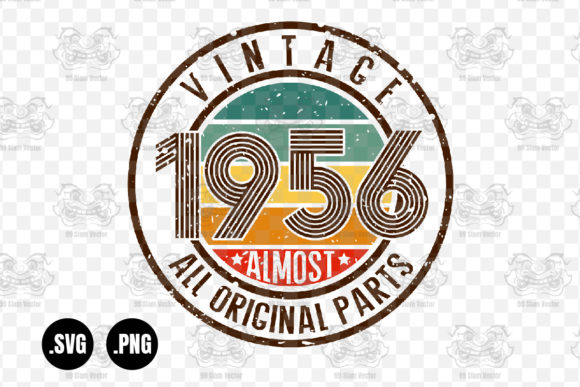
The mood this design creates is instantly recognizable. It taps into the golden era of Americana without feeling kitschy or overworked. For an embroidery project, the layout is crucial. The text "Vintage 1956" typically anchors the top, while the punchline "Almost All Original Parts" sits below, often in a font that mimics the typography of mid-century signage. From a technical standpoint, the success of this machine embroidery design relies heavily on how the letterforms interact with one another. In a digital preview, the lines look crisp, but the real test comes when you translate those vectors into a physical embroidery file.
I found myself visualizing this design on a heavy cotton canvas tote bag immediately. The boldness of the typography suggests it would hold up well under the pressure of a standard fill stitch, creating a solid block of color that pops against natural fabrics. However, if you are planning to use this as an applique design, you need to be mindful of the internal details. If the font includes intricate serifs or thin crossbars, they may require careful digitization to prevent thread breakage or puckering. The aesthetic is undeniably strong, making it a prime candidate for custom apparel where the goal is immediate visual impact.
Real-World Application: The Sweatshirt Scenario
Let's talk about a specific scenario. Imagine a client coming into your shop asking for a gift for their father turning 68. They want something funny but not offensive, something that acknowledges his age without making him feel old. The Vintage 1956 Almost All Original Parts quote is the perfect fit. I recently considered using this concept for a heavyweight heather grey sweatshirt. The challenge here is the fabric texture. A sweatshirt has a looped pile that can swallow smaller details, so the stitch density must be high enough to stand proud but low enough to allow the fabric to breathe.
When stitching this onto a curved surface like the chest of a sweatshirt, the stability of the design becomes paramount. You cannot simply hoop the fabric and hope for the best. You will need a robust stabilizer, likely a cut-away type, to ensure the letters don't pucker or distort during the wash cycle. The result, however, is a finished product that looks professional and boutique-quality. Customers love these types of personalized items because they feel unique. Unlike mass-produced tees, a hand-stitched version of this design adds tangible value to the item, justifying a higher price point for your craft business.
Navigating Fabric and Hoop Limitations
While this design is versatile, it is not without its limitations. One area where caution is required is small hoop sizes. If you attempt to shrink this design down to fit a tiny cap or a baby bib, the legibility of the text will suffer. The phrase "Almost All Original Parts" contains a lot of characters, and reducing the size too much can turn the letters into muddy blobs of thread. For baby embroidery, this might be too large or complex unless you isolate just the year. Similarly, on stretchy fabrics like jersey knit, the tension can cause the design to warp. Always test the design on scrap fabric first to gauge how the running stitch outlines handle the stretch.
Dark fabrics present another consideration. While black thread on a black shirt sounds cool in theory, it rarely translates well in reality. For a design like this, high contrast is key. Using white or cream thread on a navy or charcoal background will make the vintage vibe shine. Conversely, using light pastel threads on dark backgrounds can look washed out. As an Etsy seller, you know that photos sell the product, so ensuring your mockups reflect accurate thread colors is essential for managing customer expectations.
Strategic Use for Small Business Owners
For those running a small shop or selling digital assets, this design offers significant potential. It fits perfectly into categories like holiday embroidery gifts, anniversary presents, or even corporate swag for companies founded in the mid-20th century. The versatility allows you to pivot between different product lines. You could create an embroidered patch version for denim jackets, a full-size version for aprons in a kitchen collection, or even a simplified outline for a pillow cover.
However, before listing this as a commercial embroidery asset, you must verify the licensing terms. The product description mentions that the files are great for printing, cutting, and designing, but it does not explicitly detail commercial rights for finished goods versus reselling the digital file. Always confirm whether you can sell the stitched items you create. If you are selling the digital file itself, ensure you are not violating any restrictions regarding redistribution. Clarity here protects your brand reputation and keeps your business compliant.
Designer Tips for Success
To get the most out of Vintage 1956 Almost All Original Parts, follow these practical steps:
- Test on Scrap Fabric: Never skip the test run. Stitch it out on a piece of the exact fabric you plan to use to check for puckering or thread breaks.
- Check Contrast: Experiment with different thread colors to see which combination makes the text pop against your chosen material.
- Review Density: Ensure the fill stitch isn't too dense, which can stiffen the fabric, or too sparse, which leaves gaps.
- Mockup First: Create a black and white printable mockup to visualize the layout before committing to expensive materials.
- Stabilizer Selection: Match your stabilizer to the fabric weight. Heavy fabrics need heavy backing; light fabrics need tear-away or water-soluble options.
- Licensing Check: Confirm you have the right to sell finished products made from this design.
In conclusion, the Vintage 1956 Almost All Original Parts design is a robust asset for any serious embroiderer. It balances humor with style, making it a winner for personalized gifts and small shop merchandise. By paying attention to the nuances of fabric, stabilizer, and stitch settings, you can transform this digital graphic into a high-quality, tactile experience that customers will cherish. Whether you are decorating a tote bag design for a craft fair or creating a bespoke gift for a friend, this design has the staying power to become a staple in your portfolio.